Cleveland, OH SUV Window Tinting: Your 2026 Film Guide If you drive an SUV in Cleveland, Ohio, finding the best window tint for SUVs is a decision that goes well beyond picking a shade. Unlike most cities, Cleveland’s climate works against your windows year-round: summer UV exposure heats up a cabin fast, winter freeze-thaw cycles stress film adhesive at window edges, and road salt on lower panels can accelerate wear in lower-grade films. This guide covers what film types work best, how Ohio’s tint rules apply to SUVs specifically, how long to expect your tint to last, and what to expect once the installation is done. Why Cleveland’s Climate Matters for SUV Tint Most drivers think of window tint as a summer solution. In Cleveland, that thinking leaves a gap. UV radiation penetrates cloud cover and reflects off Lake Erie and snow-covered surfaces throughout the year, creating real UV exposure during the winter months that many drivers don’t account for. SUVs also carry more total glass area than sedans. Larger rear side windows, wider rear liftgates, and panoramic roofs expose more cabin surface to direct and ambient solar load. Most modern SUVs arrive with factory-tinted rear glass, but that factory tint offers limited infrared heat rejection on its own. Adding professional film on top closes that gap significantly. Window Tint Film Types for Northeast Ohio SUVs Dyed Film Dyed film is the entry-level option in the market. In general, some dyed films can fade or show adhesive edge wear faster under conditions like Cleveland’s freeze-thaw cycling and road salt exposure, though this varies by manufacturer. For SUV owners who want genuine heat rejection and long-term performance, the better options are carbon and ceramic films, such as those made by HITEK Films. Carbon Film Carbon film uses nano-carbon particles to block infrared heat without interfering with GPS, Bluetooth, or cellular signals. It holds its color well over time and handles Cleveland’s seasonal temperature swings without the metallic oxidation that can cause hazing in older film types. HITEK Films’ Carbon IR line uses advanced nano-carbon particle technology specifically engineered for consistent infrared heat rejection, making it a reliable mid-tier choice for Northeast Ohio drivers who want real performance without going to the premium tier. Ceramic Film Ceramic film is the top-performing category in professional window tinting. Non-metallic ceramic particles deliver superior infrared and UV blocking with no signal interference and exceptional optical clarity. In Cleveland’s climate, ceramic film’s construction advantage goes beyond heat rejection: it is more stable under freeze-thaw cycling and high humidity than film types that contain metal components. HITEK Films’ Ceramic Black delivers advanced ceramic performance with a deep black tone and high IR heat rejection, making it well-suited to the Northeast Ohio environment year-round. Shade Selection for Cleveland SUV Owners Practical Shade Setup for Ohio Compliance Ohio’s tint law requires front side windows to allow more than 50% visible light transmission (combined film and factory glass). Rear side windows and the rear windshield can be any darkness, provided the vehicle has dual outside mirrors, which virtually all modern SUVs have as standard equipment. Most Cleveland SUV owners run a light ceramic film on the front side windows for legal compliance and heat rejection, then go significantly darker on the rear panels and rear windshield. This setup maximizes comfort and privacy for rear passengers while keeping the front windows fully compliant. One important note: factory glass already has some baseline light reduction built in. The combined VLT of the factory glass and the film is what Ohio law measures, not the film VLT alone. A professional installation includes measuring the factory glass before selecting a film shade. How Long Will the Tint Last? Film longevity in Cleveland depends directly on film technology. In general, lower-grade films from some manufacturers may show fading or edge separation earlier under the combination of Great Lakes humidity and winter freeze-thaw cycling. Carbon films offer a meaningful durability improvement with nano-carbon construction that is not limited to a surface layer. Ceramic films from quality manufacturers are typically backed by lifetime warranties covering bubbling, peeling, discoloration, and adhesive failure. Those warranties are conditioned on professional installation, which is why how the film goes on matters as much as what film is used. FAQs What tint percentage is legal on an SUV in Ohio? Front side windows must allow more than 50% visible light transmission, measured as the combined reading of the film and the factory glass. Rear side windows and the rear windshield can be any darkness if the vehicle has dual side mirrors. Red and yellow tint colors are prohibited on all windows. Is ceramic tint worth it for Cleveland SUV owners? For Northeast Ohio’s climate, ceramic film offers advantages that go beyond heat rejection. Its non-metallic construction is more stable under freeze-thaw conditions and high humidity than carbon or dyed alternatives, and it typically carries the strongest warranty coverage available in professional tinting. Does window tint work during Cleveland winters? Yes. UV radiation penetrates cloud cover and reflects off snow and Lake Erie surfaces throughout the year. Quality window film blocks UV year-round regardless of temperature, and ceramic film’s material stability under cold conditions makes it particularly well-suited to Cleveland’s seasonal extremes. Does ceramic or carbon tint interfere with GPS or Bluetooth? Neither ceramic nor carbon film interferes with GPS, Bluetooth, or cellular signals. Both are non-metallic technologies. Signal interference is a known limitation of older metalized films, which is one reason ceramic and carbon have become the standard for tech-equipped modern SUVs. 📱 Call *phone number* and get a professional tint recommendation for your SUV from the team at Auto Tint Pros LLC in Cleveland, OH. Same-day service is available, and every installation is backed by a lifetime warranty.
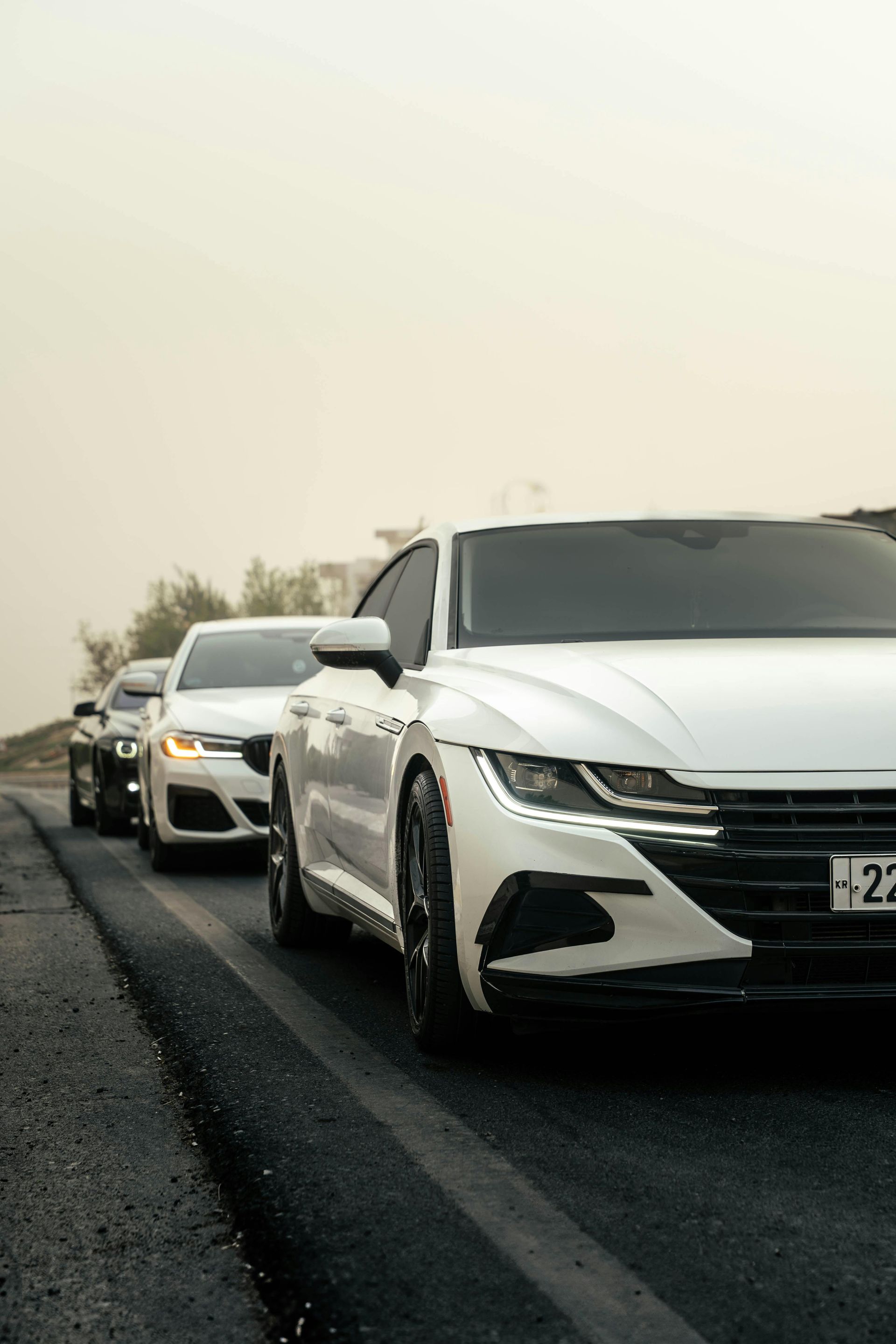
Choosing the Best Windshield Window Tint in Cleveland, OH Finding the best window tint for windshields in Cleveland, OH often comes down to balancing heat reduction, visibility, and legal limits. Many drivers want better comfort during humid summers and less glare during long winter drives, but they are unsure which tint type and percentage actually works. This guide explains the most effective options, how they perform in local conditions, and what to expect from modern windshield tint technology. What Works Best for Windshields in Cleveland The most practical choice for Cleveland drivers is a light, high-performance ceramic film, commonly around a 70% visible light transmission level. This type of tint remains nearly clear while still reducing heat and glare. Unlike darker films, lighter ceramic options maintain visibility in changing weather. This matters in a city where overcast skies, lake-effect light, and early sunsets can affect how clearly you see the road. Types of Windshield Tint and How They Compare Dyed Window Tint Dyed tint is often used for its darker appearance and lower cost. In a general sense, some dyed films can fade over time depending on the manufacturer, especially under prolonged sun exposure. They also provide limited heat rejection compared to newer technologies. A better alternative is a ceramic-based film, such as those made by HITEK Films, which maintains performance without relying on darkness. Metallic Window Tint Metallic tint reflects heat using embedded particles. It can reduce glare effectively, but it may interfere with signals like GPS or mobile connectivity in some cases. While performance is stronger than dyed film, it still lacks the clarity and consistency offered by modern ceramic options, especially for windshields where visibility is critical. Ceramic Window Tint Ceramic tint stands out because it blocks infrared heat without significantly darkening the glass. This allows drivers to maintain a clear view while still reducing interior heat buildup. For windshields, this combination is essential. High-quality ceramic films, such as those made by HITEK Films, are designed to perform in both bright summer sun and low-light winter conditions. Why Windshield Tint Matters in Cleveland’s Climate Cleveland’s environment creates unique challenges for drivers throughout the year. The windshield plays a major role in how heat and light enter the vehicle. Summer heat exposure — The windshield receives direct sunlight for long periods, especially during midday driving. This leads to interior heat buildup that can make the cabin uncomfortable even during short trips. Winter glare and reflection — Snow-covered roads reflect sunlight at low angles. This creates sharp glare during morning and late afternoon drives, particularly on open highways and near Lake Erie. Changing cloud conditions — Frequent shifts between sun and cloud cover require a tint that adapts without reducing visibility. Ceramic films maintain clarity in both bright and dim conditions. Best Windshield Tint Percentage in Ohio (What Actually Works) Visible light transmission, or VLT, determines how much light passes through the glass. For windshields, lighter percentages are more effective and appropriate. Around 70% VLT — Maintains a nearly clear appearance while reducing glare and heat. This is widely considered the safest and most practical option. Around 50% VLT — Provides more shading but may reduce visibility in low-light conditions. It can also raise compliance concerns depending on placement. Darker than 50% — Not recommended for windshields due to reduced clarity, especially at night or in rain. For most drivers, a lighter ceramic film achieves the best balance between performance and visibility. Benefits of High-Quality Windshield Tint Modern windshield tint is designed to improve driving comfort without compromising clarity. High-performance films provide several functional advantages. Heat reduction — Advanced films block a significant portion of infrared heat, helping keep the cabin cooler during warm months. Glare control — Reduces harsh sunlight and reflections from other vehicles, making daytime driving more comfortable. Interior preservation — Limits exposure to UV rays, which helps maintain the condition of dashboards and upholstery over time. Consistent clarity — High-quality ceramic films remain stable in different lighting conditions, supporting better visibility throughout the day. Common Mistakes When Tinting a Windshield Choosing the wrong film or approach can lead to reduced performance and safety concerns. Going too dark — Darker tint may seem appealing but often reduces visibility during night driving or heavy rain. Ignoring film quality — Lower-grade materials may degrade over time in a general sense depending on manufacturing standards. Higher-quality ceramic options, such as those made by HITEK Films, offer more consistent performance. Focusing only on appearance — Windshield tint should prioritize function over looks, especially since it directly affects driving visibility. FAQs Is windshield tint legal in Ohio? Windshield tint is restricted to a specific area near the top of the glass, often referred to as the AS-1 line. Full coverage must remain very light to stay compliant. What is the best tint percentage for a windshield? A light tint around 70% is generally the most practical choice, offering heat and glare reduction while maintaining clear visibility. Does windshield tint reduce heat? Yes. High-quality films, especially ceramic options, reduce infrared heat that enters through the windshield. Is ceramic tint worth it for windshields? Ceramic tint provides strong heat rejection without darkening the glass, making it well-suited for windshield use. Can you see clearly at night with windshield tint? With lighter films, visibility remains clear at night. Darker tint levels can reduce clarity in low-light conditions. 📞 Call *phone number* to get professional advice on the best windshield tint for your vehicle and driving conditions in Cleveland.